A Skilled Worker Visa is one of the most important legal immigration routes for foreign professionals seeking employment abroad in 2026. It allows qualified individuals to live and work in another country based on their skills, education, and professional value to the host economy. However, eligibility is never based on skills alone. Governments strictly enforce skilled worker visa eligibility rules and skilled worker visa salary threshold requirements to protect local labor markets, prevent underpayment, and ensure fair competition. For foreign professionals, failing to meet these requirements—even by a small margin—can result in refusal, delays, or future immigration restrictions.
Globally, demand for skilled foreign workers continues to grow across sectors such as IT, engineering, healthcare, finance, and construction. Aging populations, digital transformation, and infrastructure expansion are driving employers to recruit internationally through official government-approved skilled migration pathways. At the same time, immigration authorities are tightening salary compliance and employer accountability. This guide is written from an official, compliance-based perspective to help you understand skilled worker visa eligibility requirements in 2026, navigate salary thresholds accurately, and secure your skilled worker visa through a licensed employer sponsor without risking rejection or non-compliance.
2️⃣ What Is a Skilled Worker Visa
A Skilled Worker Visa is a government-issued authorization that allows a foreign national to work in a country because their occupation, qualifications, and salary meet defined skilled migration standards.
Legal Definition
A Skilled Worker Visa is typically governed by:
-
National immigration law
-
Labor and employment regulations
-
Salary and wage protection frameworks
Employer-Sponsored vs Independent Skilled Migration
-
Employer sponsored skilled worker visa: Requires a licensed employer, approved job offer, and salary meeting minimum thresholds.
-
Independent skilled migration: Uses points-based systems without a specific employer but often has higher eligibility barriers.
Temporary vs Permanent Skilled Worker Visas
-
Temporary: Valid for 1–5 years, tied to employer and role.
-
Permanent: Leads to settlement, permanent residence, or a green card.
Key Benefits
-
Legal right to work and reside
-
Access to family reunification
-
Clear global employment and residency pathways
-
Long-term career stability
3️⃣ General Skilled Worker Visa Eligibility Criteria
While rules vary by country, most systems share core skilled migration eligibility criteria:
1. Valid Job Offer from Licensed Sponsor
The employer must be approved to sponsor foreign workers.
2. Recognized Education Qualifications
Degrees or diplomas must be equivalent to local standards.
3. Professional Certifications
Mandatory for regulated professions (healthcare, engineering, finance).
4. Relevant Work Experience
Typically 2–5 years in the same or closely related occupation.
5. Language Proficiency Requirements
English, German, or other official language tests may apply.
6. Health and Character Checks
Medical exams and police clearance certificates are standard.
7. Labor Market Testing (If Required)
Some countries require proof that no suitable local worker is available.
Meeting these criteria alone is not enough—salary compliance is equally critical.
4️⃣ Skilled Worker Visa Salary Thresholds (2026 Overview)
Why Salary Thresholds Exist
Governments enforce minimum salary requirements for skilled worker visa applicants to:
-
Prevent exploitation
-
Protect domestic wage levels
-
Ensure roles are genuinely skilled
How Governments Set Salary Thresholds
Salary levels are based on:
-
National median wages
-
Occupational pay scales
-
Regional labor shortages
Differences by Occupation and Country
-
IT and engineering roles often have higher thresholds
-
Healthcare and shortage roles may qualify for exemptions
Shortage Occupation Exemptions
Some countries allow lower salary thresholds for officially listed shortage occupations.
Regional Salary Variations
Urban centers usually have higher salary requirements than regional areas.
Understanding the salary threshold for work visa approval is essential before accepting any job offer.
5️⃣ Country-Specific Skilled Worker Visa Eligibility & Salary Requirements
🇬🇧 United Kingdom
Visa: Skilled Worker Visa
-
Salary threshold: From £26,200 or occupation-specific rate
-
Shortage exemptions: Reduced thresholds
-
Documents: Certificate of Sponsorship, contract, qualifications
-
Visa duration: Up to 5 years
-
Processing time: 3–8 weeks
🇺🇸 United States
Visas: H-1B, EB-3
-
Salary system: Prevailing wage by role and location
-
Documents: Labor Condition Application, employer petition
-
Visa duration: 3–6 years (H-1B)
-
Processing time: 3–12 months
🇨🇦 Canada
Programs: LMIA Work Permit, Express Entry
-
Salary requirement: Median regional wage
-
Documents: LMIA, offer letter, credentials
-
Visa duration: 1–3 years
-
Processing time: 2–6 months
🇦🇺 Australia
Visa: Subclass 482
-
TSMIT: AUD 70,000 (subject to updates)
-
Documents: Nomination approval, contract
-
Visa duration: 2–4 years
-
Processing time: 2–6 months
🇩🇪 Germany
Visa: EU Blue Card
-
Salary minimum: ~€45,300 (lower for shortage roles)
-
Documents: Degree recognition, contract
-
Visa duration: Up to 4 years
-
Processing time: 1–3 months
🇸🇬 Singapore
Visa: Employment Pass
-
Qualifying salary: SGD 5,000+ (higher for experienced roles)
-
Documents: Employer application, qualifications
-
Visa duration: 1–2 years
-
Processing time: 3–8 weeks
🇳🇿 New Zealand
Visa: Accredited Employer Work Visa
-
Wage requirement: At or above median wage
-
Documents: Job check approval, contract
-
Visa duration: Up to 3 years
-
Processing time: 1–3 months
6️⃣ High-Demand Skilled Worker Jobs Meeting Salary Thresholds
| Occupation | Salary Range (USD equiv.) | Visa Category |
|---|---|---|
| Software Engineers | $70k–$140k | Skilled Worker / H-1B |
| Data Scientists | $80k–$150k | Employer Sponsored |
| Medical Doctors | $100k–$250k | Skilled Worker |
| Registered Nurses | $55k–$95k | Skilled Worker |
| Civil Engineers | $65k–$120k | EU Blue Card / 482 |
| Financial Analysts | $70k–$130k | Skilled Worker |
| IT Security Specialists | $85k–$160k | Skilled Migration |
| Project Managers | $75k–$140k | Employer Sponsored |
These are among the most high-paying skilled worker visa jobs globally.
7️⃣ How Salary Thresholds Impact Work Visa Approval
Prevailing Wage Systems
Authorities compare offered salary to official wage benchmarks.
Employer Compliance Audits
Employers may be audited before and after approval.
Underpayment Risks
Paying below threshold can lead to visa cancellation.
Permanent Residency Impact
Salary compliance often affects eligibility for settlement.
Negotiation Tips
-
Verify official salary data
-
Ensure contract matches visa application
-
Avoid “allowances” used to inflate salary artificially
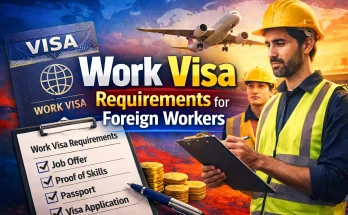
8️⃣ Documents Required to Prove Skilled Worker Visa Eligibility
-
Employment contract
-
Salary confirmation letter
-
Sponsorship certificate
-
Academic transcripts
-
Professional licenses
-
Language test results
-
Tax and payroll documents (if applicable)
Incomplete or inconsistent documentation is a major risk factor.
9️⃣ Skilled Worker Visa Costs, Fees, and Processing Time
Employer Costs
-
Sponsorship license fees
-
Immigration skills charges
-
Legal representation
Employee Costs
-
Visa application fees
-
Medical exams
-
Biometrics
-
Document translation
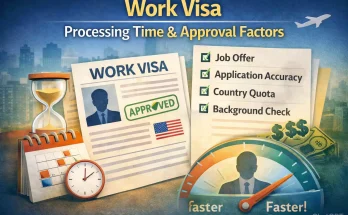
Processing Timelines
-
Europe: 1–3 months
-
North America: 3–12 months
-
Asia-Pacific: 2–8 weeks
🔟 Common Reasons for Skilled Worker Visa Rejection
-
Salary below minimum threshold
-
Employer not licensed
-
Incorrect job classification
-
Insufficient experience
-
Missing or inconsistent documents
Prevention tip: Always cross-check salary and job codes against official government guidance.
1️⃣1️⃣ Conclusion – How to Qualify for a Skilled Worker Visa in 2026
Qualifying for a Skilled Worker Visa in 2026 requires more than skills—it demands strict compliance with legal work visa salary requirements, employer sponsorship rules, and documentation standards. Successful applicants focus on salary negotiation, employer verification, and accuracy at every stage of the skilled worker visa application process. While no visa is guaranteed, working with licensed employers and professional immigration advisors significantly reduces risk and opens long-term global employment and residency pathways.
1️⃣2️⃣ FAQ
What is the minimum salary for a skilled worker visa in 2026?
It varies by country, occupation, and region but must meet official thresholds.
How do I check skilled worker visa eligibility?
Review government criteria and confirm employer sponsorship status.
Can I apply if my salary is below the threshold?
Generally no, unless a shortage occupation exemption applies.
Which countries have the lowest skilled worker visa salary requirements?
Some regional programs in Canada, Germany, and New Zealand offer lower thresholds.
How long does skilled worker visa processing take?
From a few weeks to several months depending on country and visa type.