An employer sponsored work visa is the most widely used and legally secure pathway for foreign professionals to work abroad in 2026. Under this system, a licensed employer in a destination country formally sponsors a foreign worker for a specific role that cannot be easily filled by the local labor market. Unlike informal job offers or short-term permits, employer sponsorship operates within official government-approved visa pathways, ensuring compliance with immigration, labor, and tax laws. For skilled professionals, trades workers, and international graduates, understanding how employer sponsorship works is essential to avoiding costly mistakes, delays, or outright refusals.
Global demand for foreign talent continues to rise due to skills shortages in technology, healthcare, engineering, logistics, and construction. Governments increasingly rely on companies sponsoring work visas to fill these gaps while protecting domestic workers through strict compliance rules. This guide provides a step-by-step employer sponsorship process, explaining legal requirements, employer obligations, salary thresholds, processing timelines, and permanent residency options. Whether you are a professional seeking to secure your work visa through a licensed employer sponsor or an employer navigating immigration compliance, this 2026 guide is designed to deliver clarity, authority, and actionable insight.
2️⃣ What Is an Employer Sponsored Work Visa
An employer sponsored work visa is a legal authorization issued by a government that allows a foreign national to live and work in a country based on sponsorship by an approved employer. The legal basis is typically national immigration law combined with labor market regulations designed to balance economic needs with workforce protection.
Employer Sponsorship vs Independent Skilled Migration
-
Employer sponsorship requires a valid job offer and an approved sponsoring employer.
-
Independent skilled migration relies on points systems (age, education, experience) without a specific employer.
Temporary vs Permanent Employer Sponsored Visas
-
Temporary visas (1–4 years) allow work for a specific employer.
-
Permanent visas or green cards provide long-term residence and unrestricted work rights.
Benefits
For workers
-
Faster access to legal work visas for foreigners
-
Predictable income and residency status
-
Clear employer sponsored green card pathway
For employers
-
Access to global talent
-
Workforce stability
-
Government-backed sponsorship frameworks
3️⃣ Step-by-Step Employer Sponsored Work Visa Process
Understanding the work visa sponsorship process step by step is critical for compliance and success.
Step 1: Secure a Job Offer from a Licensed Employer
The employer must be authorized to sponsor foreign workers. Informal offers or recruiters without sponsorship authority are not valid.
Step 2: Employer Obtains Sponsorship Approval
Employers must:
-
Register with immigration authorities
-
Prove business legitimacy
-
Meet compliance and reporting standards
Step 3: Labor Market Testing (If Required)
Many countries require proof that no suitable local worker is available.
Step 4: Issuance of Sponsorship Certificate
Once approved, the employer issues a sponsorship or nomination certificate to the worker.
Step 5: Employee Submits Work Visa Application
The worker applies using the sponsorship reference and submits all required documents.
Step 6: Biometrics and Background Checks
Includes fingerprints, medical exams, and police clearances.
Step 7: Visa Decision
Authorities assess eligibility, salary thresholds, and compliance.
Step 8: Travel and Residence Permit Issuance
Upon approval, the worker can travel and begin employment legally.
Compliance note: Any deviation from approved job role, salary, or employer may invalidate the visa.
4️⃣ Country Examples of Employer Sponsored Visa Systems (2026)
🇺🇸 United States
Key visas: H-1B, EB-3, L-1
-
Salary thresholds: Role-specific prevailing wages
-
Visa duration: 3–6 years (temporary), permanent via EB-3
-
PR pathway: Employment-based green card
-
Processing time: 3–12 months (premium options available)
🇨🇦 Canada
Key visas: LMIA Work Permit, Provincial Nominee Programs
-
Salary thresholds: Median regional wage
-
Visa duration: 1–3 years
-
PR pathway: Express Entry, PNP
-
Processing time: 2–6 months
🇬🇧 United Kingdom
Key visa: Skilled Worker Visa
-
Salary thresholds: From £26,200 or occupation rate
-
Visa duration: Up to 5 years
-
PR pathway: Indefinite Leave to Remain
-
Processing time: 3–8 weeks
🇦🇺 Australia
Key visas: Subclass 482, ENS
-
Salary thresholds: Market salary rate
-
Visa duration: 2–4 years
-
PR pathway: Employer Nomination Scheme
-
Processing time: 2–6 months
🇩🇪 Germany
Key visa: EU Blue Card
-
Salary thresholds: €45,300 (lower for shortage roles)
-
Visa duration: Up to 4 years
-
PR pathway: Permanent settlement permit
-
Processing time: 1–3 months
🇸🇬 Singapore
Key visas: Employment Pass, S Pass
-
Salary thresholds: SGD 5,000+ (varies by role)
-
Visa duration: 1–2 years
-
PR pathway: Possible after residency
-
Processing time: 3–8 weeks
🇦🇪 United Arab Emirates
Key visa: Employer-sponsored residence visa
-
Salary thresholds: Role-dependent
-
Visa duration: 2–3 years
-
PR pathway: Long-term residence options
-
Processing time: 2–4 weeks
5️⃣ Employer Sponsored Visa Requirements
For Employees
-
Valid job offer
-
Relevant education and certifications
-
Proven work experience
-
Language proficiency (where required)
-
Medical and police clearance
For Employers
-
Valid sponsorship license
-
Compliance reporting systems
-
Minimum salary guarantees
-
Legal responsibility for sponsored worker
Failure to meet employer sponsored visa requirements can result in refusal or future bans.
6️⃣ High-Demand Jobs Eligible for Employer Sponsorship
| Occupation | Salary Range (USD equiv.) | Typical Visa |
|---|---|---|
| Software Engineers | $70k–$130k | H-1B / Skilled Worker |
| Data Scientists | $80k–$140k | Employer Sponsored |
| Nurses | $50k–$90k | Skilled Worker / LMIA |
| Civil Engineers | $60k–$110k | EU Blue Card / 482 |
| Skilled Trades | $45k–$80k | Employer Nomination |
| Truck Drivers | $40k–$70k | LMIA / Regional |
| Financial Analysts | $65k–$120k | H-1B / EP |
| Hospitality Managers | $45k–$85k | Sponsored Work Visa |
7️⃣ Costs and Fees in Employer Sponsored Work Visas
Employer Costs
-
Sponsorship license fees
-
Immigration skills charges
-
Legal and compliance costs
Employee Costs
-
Visa application fees
-
Medical exams
-
Document translation
-
Travel and relocation
Transparency note: Some countries prohibit employers from recovering sponsorship costs from workers.
8️⃣ Processing Times and Approval Factors
Average Timelines
-
North America: 3–12 months
-
Europe: 1–4 months
-
Asia & Middle East: 2–8 weeks
Approval Factors
-
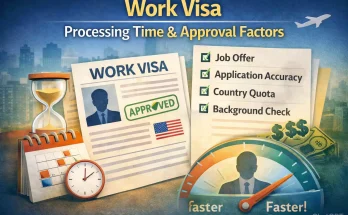
Salary compliance
-
Employer history
-
Document accuracy
-
Background checks
9️⃣ Common Mistakes to Avoid
-
Applying through unlicensed employers
-
Accepting salaries below legal thresholds
-
Submitting incomplete documents
-
Falling for fake sponsorship offers
Warning sign: Any request for payment to “sell” sponsorship is likely fraudulent.
🔟 Success Stories & Real Case Examples
-
IT professional: Secured H-1B sponsorship after employer wage compliance review
-
Nurse: Relocated to the UK under the Skilled Worker route with family
-
Engineer: Achieved Australian PR via employer nomination after 2 years
Each case followed the work visa processing steps exactly.
1️⃣1️⃣ Conclusion – How to Secure Your Employer Sponsored Work Visa
Securing an employer sponsored work visa in 2026 requires preparation, compliance, and realistic expectations. Start by targeting companies sponsoring work visas, verify employer licensing, and ensure salary thresholds are met. While no process guarantees approval, following official procedures and consulting licensed immigration advisors significantly improves outcomes. For many professionals, employer sponsorship is not only a job opportunity but a gateway to long-term global employment and residency pathways.
1️⃣2️⃣ FAQ
How does employer sponsorship work step-by-step?
It involves a licensed employer, sponsorship approval, labor testing, visa application, and government review.
How long does employer sponsored visa processing take?
From weeks to months, depending on country and visa type.
Can I switch employers on a sponsored work visa?
Usually only with new sponsorship approval.
What are the minimum salary requirements?
They vary by country and occupation but are strictly enforced.
Do companies pay for employer sponsored visas?
Often yes, especially for compliance and sponsorship fees, though employee costs may still apply.